DEFENSE & AEROSPACE SYSTEMS
Defense, aerospace, and advanced engineering systems increasingly rely on complex optimisation, autonomous coordination, and large-scale simulation capabilities for next-generation operational environments. At AngelQ Quantum Computing, we develop qubit-efficient quantum optimisation and simulation technologies designed to enable practical hybrid quantum-classical workflows on near-term quantum hardware. One example is our collaboration with Thales Group on quantum-enhanced optimisation and autonomous drone coordination problems, exploring how qubit-efficient quantum algorithms can support complex multi-agent routing, scheduling, and airspace-management tasks relevant to future defence and aerospace systems. In parallel, we are also advancing quantum computational fluid dynamics (QCFD) and large-scale engineering simulation workflows in collaboration with Alpine Quantum Technologies, targeting future applications in aerospace, defence, turbulence modelling, and advanced fluid-flow optimisation.
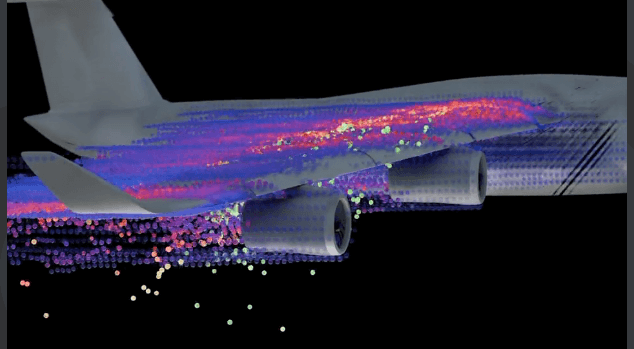
Simulating turbulent flow - Aerospace prepares for quantum computing

In collaboration with research groups from the Technical University of Crete and the National University of Singapore, and with support from the QCFD Horizon programme, AngelQ developed and implemented a novel low-depth Hadamard test approach for quantum simulation workflows. Using Alpine Quantum Technologies's IBEX Q1 quantum cloud ion system, we demonstrated the simulation of nonlinear fluid dynamics governed by Burgers' equation, showcasing the potential of near-term quantum hardware for advanced computational fluid dynamics and engineering simulation applications.
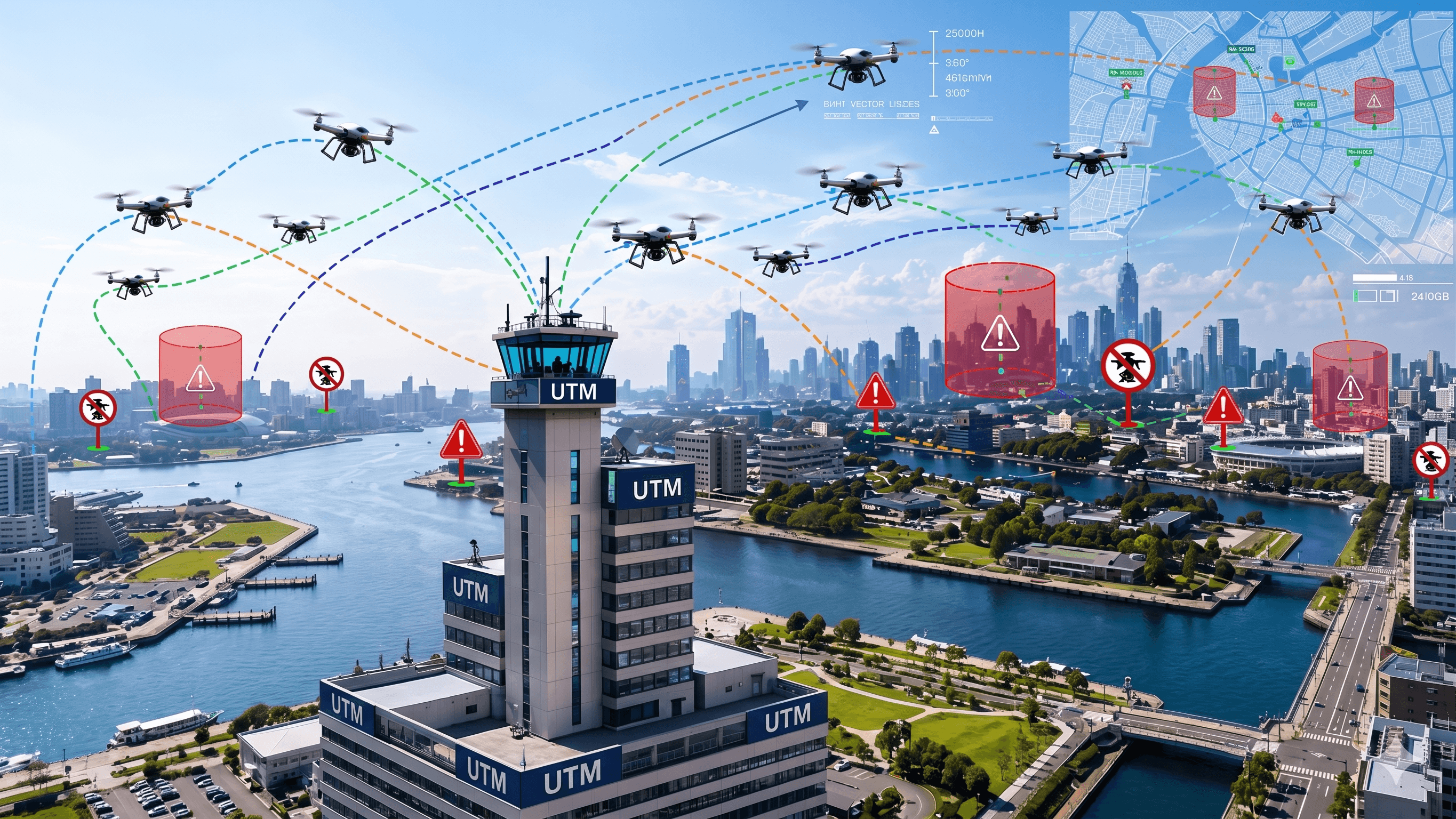
Quantum Path-Planning of Drones in Unmanned Traffic Management System

We work with Thales on quantum-enhanced path planning and optimisation for autonomous drone operations. Using our qubit-efficient quantum algorithms, we developed hybrid quantum-classical approaches for route optimisation, collision avoidance, and coordinated multi-drone mission planning in complex environments. The work demonstrated how large-scale drone optimisation problems can be tackled on near-term quantum hardware with significantly reduced qubit requirements.